2025 Year in Review: The Top Trends We Saw in Home Automation and Security
In the Year of AI, Intelligence Continues to Advance in Home Technology
This past year brought changes to smart home technology that went beyond incremental upgrades. Homeowners saw security systems continue to evolve from passive recorders to intelligent assistants, watched device and system compatibility barriers finally start to crumble, and discovered that professional installation means more than convenience—it's a cybersecurity necessity. As we head into 2026, the homes DIJIS designed and secured throughout 2025 reflect these shifts. Here's what defined the year and what's coming next.
AI Made Security Smarter, Not Just Watchful
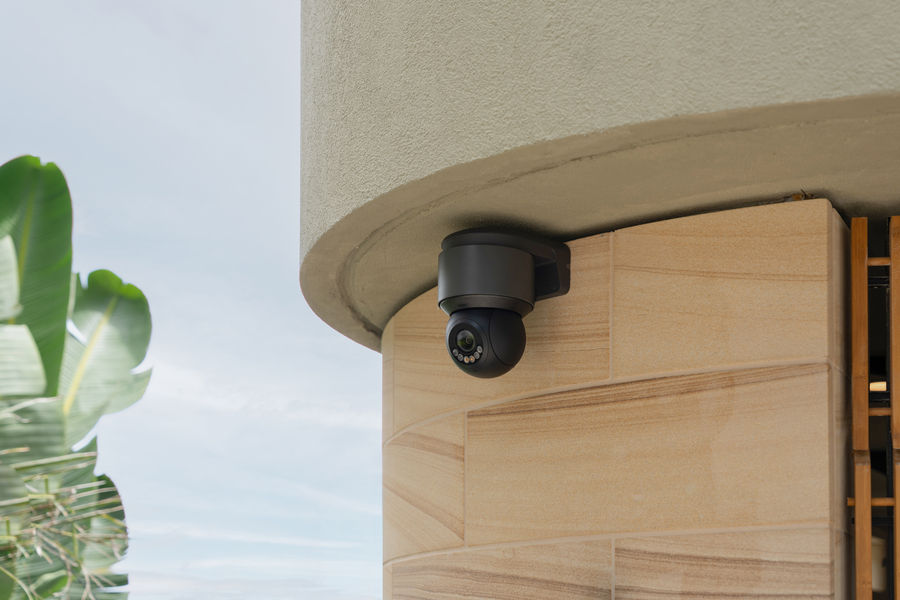
The biggest leap in smart security in 2025 wasn't about adding more cameras—it was about making existing cameras smarter. AI-powered analytics have become standard across professional security systems, enabling them to distinguish between delivery drivers, family members, pets, and actual threats. Instead of reviewing hours of footage triggered by every passing car, homeowners received notifications that mattered: a person lingering near the garage, a package at the door, unfamiliar activity during unusual hours.
When integrated with home automation, these cameras triggered practical responses—exterior lights flashed during alerts, doors locked automatically when needed, and notifications included video clips providing immediate context. The shift from "record everything" to "understand what matters" gave homeowners confidence without constant false alarms.
Matter Expanded Choices—And Made Integrators More Essential
Matter 1.5 launched in November 2025 with camera support, finally delivering on its interoperability promise. Devices from different manufacturers could communicate without proprietary hubs or workarounds. But more compatibility revealed new complexity. Matter answers "can these devices talk?" but not which cameras work best, how automation should be structured, or what security protocols protect the network.
Professional integrators became more valuable because Matter removed compatibility barriers, allowing them to curate solutions from a broader ecosystem and design systems that match how families actually live. The technology connects—but someone still needs to orchestrate what it does and when.
Professional Systems Delivered Real Security—And Real Peace of Mind
A 2025 survey revealed that 48% of homeowners installed security systems primarily for peace of mind, while 29% cited burglary protection as their primary reason. That shift makes sense when you understand what modern security actually provides: constant awareness, intelligent alerts, and community deterrence. The same survey found that 61% of homeowners check their cameras multiple times daily, and 84% feel safer when their neighbors have visible security systems.
But peace of mind only works when the underlying protection is real. Here's where professional installation separates itself from consumer-grade systems: properly configured networks with closed ports, enterprise-grade firewalls, secure authentication without manufacturer backdoors, and VLAN segmentation isolating IoT devices from personal data. Research in 2025 showed the average connected home faces 29 cyberattacks daily. DIY systems with default passwords and open ports invite those attacks, but professionally installed, commercial-grade systems are built to prevent them.
The visible cameras provide deterrence. The intelligent analytics provide awareness. The secure network architecture offers protection. Together, they deliver peace of mind that's earned, not assumed.
Looking Ahead to 2026
Matter camera adoption is expected to expand throughout 2026 as manufacturers update their product lines and homeowners discover what seamless integration actually means. Energy management features will let systems schedule power-hungry devices during off-peak hours and track real consumption costs. AI analytics will continue to advance, but the most significant shift will be homeowners recognizing that professional integration isn't just about installing equipment—it's about designing secure, intelligent systems that adapt to their lives.
The homes DIJIS creates in 2026 will benefit from everything learned in 2025: smarter security, broader compatibility, and networks built to resist the constant attacks targeting connected devices. Technology keeps evolving, but the need for expert design and implementation only grows stronger.
Are you ready to take advantage of the latest technology for your home? Get in touch with us here. DIJIS would love to discuss what's possible for your home.


